

When it comes to the world of barbecue, having the right tools can make all the difference between a mediocre cookout and a mouthwatering feast. Among these essential tools, BBQ tongs stand out as a staple for every griller. As a BBQ tongs supplier, I've had the privilege of exploring the nuances of these tools, and one question that often arises is: What is the impact of the thickness of BBQ tongs on performance?
Understanding the Basics of BBQ Tongs Thickness
BBQ tongs come in a variety of thicknesses, which can range from thin and lightweight to thick and heavy-duty. The thickness of the tongs is primarily determined by the gauge of the metal used in their construction. A lower gauge number indicates a thicker and more robust piece of metal, while a higher gauge number represents a thinner and more flexible option.
Thinner BBQ Tongs: Flexibility and Precision
Thinner BBQ tongs, typically made from higher gauge metals, offer several advantages that make them a popular choice for many grillers. One of the most significant benefits is their flexibility. The thinner metal allows the tongs to bend and conform to the shape of the food being handled, providing a more secure grip. This is particularly useful when dealing with delicate items such as fish fillets or vegetables, where a firm yet gentle hold is required to prevent them from falling apart.
In addition to flexibility, thinner tongs also offer greater precision. The reduced thickness makes it easier to maneuver the tongs into tight spaces, such as between the grates of a grill, and pick up small or irregularly shaped pieces of food. This precision is essential for tasks like flipping burgers, turning skewers, or removing small chunks of meat from the grill without disturbing the surrounding food.
Another advantage of thinner BBQ tongs is their lightweight nature. They are easier to handle for extended periods, reducing fatigue and making them a great option for large-scale barbecues or outdoor events. The lighter weight also allows for quicker and more agile movements, which can be beneficial when working on a hot grill where speed is of the essence.
However, thinner tongs do have some limitations. The reduced thickness makes them less durable and more prone to bending or breaking under heavy use. They may not be suitable for handling large or heavy cuts of meat, as the thinner metal may not be able to withstand the pressure without deforming. Additionally, thinner tongs may conduct heat more quickly, making them hotter to hold during extended grilling sessions.
Thicker BBQ Tongs: Strength and Durability
On the other end of the spectrum, thicker BBQ tongs, made from lower gauge metals, offer a different set of benefits. The primary advantage of thicker tongs is their strength and durability. The thicker metal can withstand greater pressure and force, making them ideal for handling large and heavy cuts of meat, such as briskets, roasts, or whole chickens. They are also less likely to bend or break under normal use, ensuring a longer lifespan for the tongs.
Thicker tongs also provide a more substantial grip, which can be beneficial when dealing with slippery or awkwardly shaped food. The increased weight and stability of the tongs make it easier to hold onto the food securely, reducing the risk of dropping or losing it during the grilling process. This is particularly important when working with larger or more challenging cuts of meat that require more force to maneuver.
In addition to their strength and durability, thicker BBQ tongs are often better at insulating against heat. The thicker metal acts as a barrier, reducing the amount of heat that is transferred to the handle of the tongs. This makes them more comfortable to hold for extended periods, even when working on a hot grill.
However, thicker tongs also have some drawbacks. Their increased weight and stiffness can make them more difficult to handle, especially for those with smaller hands or less strength. The reduced flexibility of the thicker metal may also make it more challenging to conform to the shape of the food, resulting in a less secure grip. Additionally, thicker tongs may be more expensive than their thinner counterparts, due to the higher cost of the materials used in their construction.
Finding the Right Balance
So, which type of BBQ tongs is better – thin or thick? The answer depends on your specific needs and preferences as a griller. For most home cooks, a medium-thickness pair of tongs is often the best option. This provides a good balance between flexibility, precision, strength, and durability, making them suitable for a wide range of grilling tasks.
If you primarily grill smaller or more delicate items, such as fish, vegetables, or burgers, thinner tongs may be the better choice. Their flexibility and precision will allow you to handle these items with ease, while their lightweight nature will make them comfortable to use for extended periods.
On the other hand, if you frequently grill large or heavy cuts of meat, such as briskets, roasts, or whole chickens, thicker tongs are likely to be more suitable. Their strength and durability will ensure that they can handle the weight and pressure of these items without bending or breaking, while their substantial grip will provide a secure hold.
Complementary BBQ Accessories
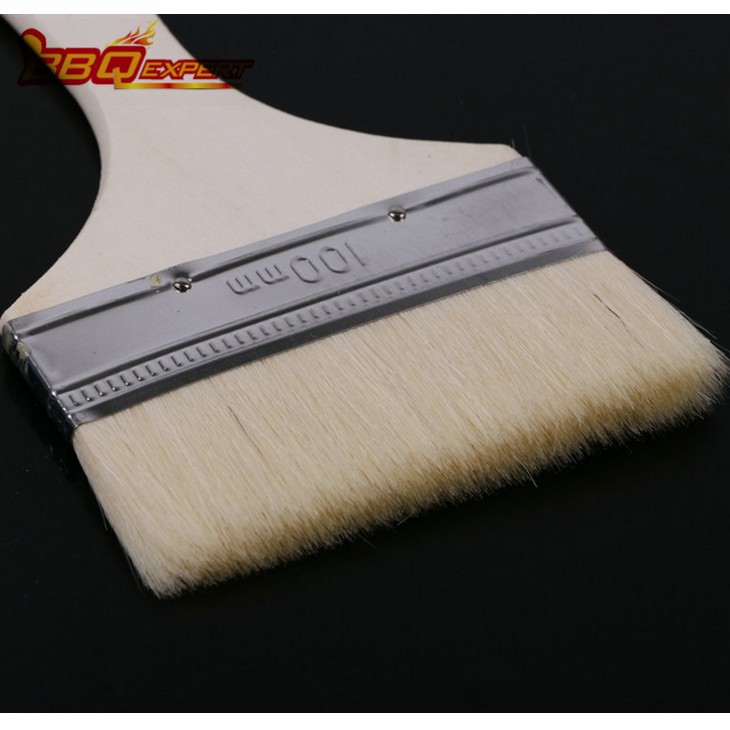
In addition to choosing the right thickness of BBQ tongs, there are several other accessories that can enhance your grilling experience. For example, a Barbecue Bristle Brush is essential for cleaning the grill grates before and after each use, ensuring that your food cooks evenly and tastes great. A Barbecue Part Spice Oil Brush can be used to apply marinades, sauces, or oils to your food, adding flavor and moisture. And BBQ Supplies Pulled Meat Claws BBQ Shredding Forks are perfect for shredding cooked meats, such as pulled pork or chicken, for sandwiches or tacos.
Conclusion and Call to Action
In conclusion, the thickness of BBQ tongs can have a significant impact on their performance. Thinner tongs offer flexibility, precision, and lightweight handling, making them ideal for smaller or more delicate items. Thicker tongs, on the other hand, provide strength, durability, and heat insulation, making them better suited for larger or heavier cuts of meat. By understanding the advantages and disadvantages of each type of tongs, you can choose the right pair for your specific grilling needs.
If you're in the market for high-quality BBQ tongs or any other grilling accessories, I invite you to contact me for more information. As a trusted supplier, I offer a wide range of products to meet the needs of every griller, from beginner to professional. Whether you're looking for a new pair of tongs, a brush, or any other essential tool, I'm here to help you find the perfect solution for your next barbecue. Let's start a conversation and take your grilling game to the next level!

References
- "The Science of Barbecue: How to Grill the Perfect Steak." American Chemical Society.
- "Grilling Tools and Accessories: A Comprehensive Guide." The Spruce Eats.
- "Choosing the Right BBQ Tongs: A Buyer's Guide." BBQGuys.